Zinc Alloy vs Brass Championship Belts: Which is Better?
Championship belts are more than just trophies. They represent prestige, competition, and achievement. Whether you’re running a fantasy football league in Dubai Marina, organizing a corporate sports event in Jumeirah, or rewarding top performers in your business, a championship belt instantly adds excitement.
But here’s the question many buyers ask before ordering one:
Should you choose zinc alloy or brass?
At first glance, both materials look similar. Both can shine beautifully under the lights of a corporate award ceremony or a gaming event. But when you dig deeper, the durability, weight, cost, and manufacturing process differ quite a bit.
Think of it like choosing furniture for a high-rise apartment in Dubai. Two sofas may look identical in the showroom, but one lasts for years while the other wears out quickly. The same idea applies to championship belts.
In this detailed guide, we’ll break down everything you need to know about zinc alloy vs brass belts, helping Dubai residents and business owners choose the right material for their events, promotions, or leagues.
Understanding Championship Belt Materials
Before comparing zinc alloy vs brass belts, it helps to understand why materials matter in the first place.
A championship belt typically consists of three main parts:
- Metal plates
- Leather strap
- Decorative stones or engravings
The metal plates are the most important part because they determine:
- Strength
- Shine
- Weight
- Cost
For businesses hosting promotional events in places like Dubai Marina or Downtown Dubai, presentation matters. A belt that looks premium on stage can elevate the entire experience.
That’s why the debate between zinc alloy and brass comes up so often.
What Are Zinc Alloy Championship Belts?

Composition
Zinc alloy belts are made using a mixture of zinc with small amounts of aluminum, magnesium, or copper.
This mixture creates a metal that is:
- Easy to mold
- Lightweight
- Affordable
Manufacturing Method
Zinc alloy plates are typically created using die-casting, a process where molten metal is poured into a mold.
This allows manufacturers to produce highly detailed designs quickly.
Advantages
Some benefits include:
- Lower cost
- Fast production time
- Detailed engravings
- Lightweight feel
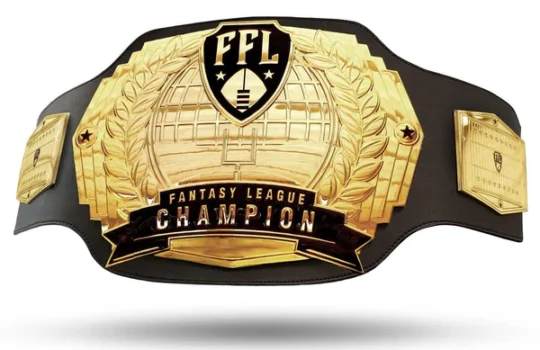
For example, many fantasy football leagues or gaming events in Dubai’s tech startups choose zinc alloy belts because they offer good visual appeal without a high price tag.
Limitations
However, zinc alloy belts are not as strong as brass.
Over time they may:
- Scratch more easily
- Lose shine if poorly plated
But for many casual competitions, they still work perfectly.
What Are Brass Championship Belts?

Composition
Brass is an alloy made primarily from:
- Copper
- Zinc
It has been used for centuries in trophies, musical instruments, and decorative items.
Manufacturing Method
Unlike zinc alloy, brass belts are often made using hand-cut or CNC machining processes.
This creates thicker and heavier plates.
Advantages
Brass belts offer several benefits:
- Greater durability
- Premium weight
- Rich golden appearance
- Long-lasting shine
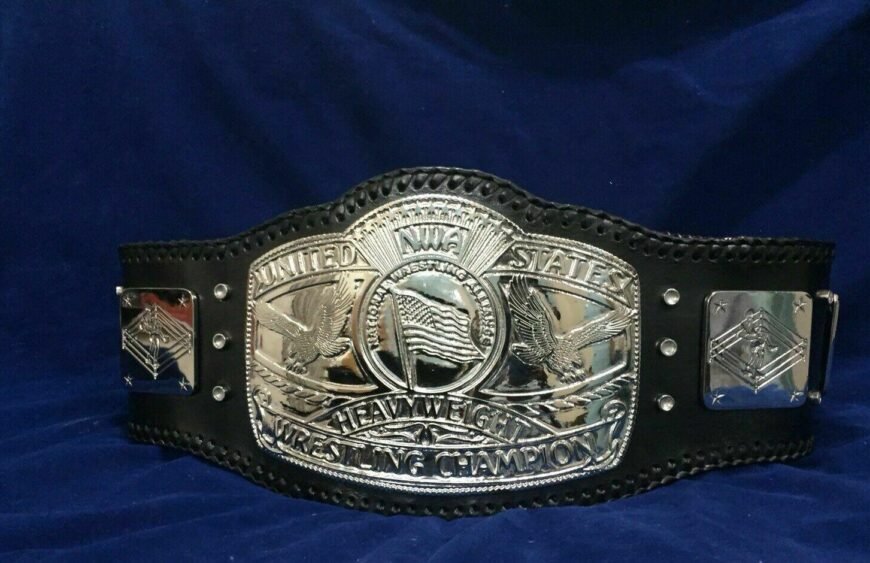
That’s why professional wrestling belts and high-end championship belts often use brass plates.
Limitations
Brass belts are typically:
- More expensive
- Heavier
- Slower to manufacture
For corporate award ceremonies in luxury venues like Jumeirah Beach hotels, many organizers still choose brass because it looks more prestigious.
Zinc Alloy vs Brass Belts: Key Differences
Let’s break down the core comparison of zinc alloy vs brass belts.
| Feature | Zinc Alloy | Brass |
|---|---|---|
| Weight | Lightweight | Heavy |
| Cost | Affordable | Expensive |
| Durability | Moderate | High |
| Production | Fast | Slower |
| Detail Level | High (die-cast) | High but thicker |
| Prestige | Good | Premium |
If you’re running a small league or promotional campaign, zinc alloy may be enough.
If you want something that feels like a real championship belt, brass is usually the better choice.
Durability and Longevity
Durability is one of the biggest factors when comparing zinc alloy vs brass belts.
Zinc Alloy Durability
Zinc alloy belts are durable enough for:
- Casual competitions
- Fantasy leagues
- Gaming tournaments
But heavy use may eventually cause:
- Small dents
- Scratches
Brass Durability
Brass belts are much stronger.
They can withstand:
- Frequent handling
- Travel between events
- Long-term display
If your belt will be passed from winner to winner every year, brass is usually the smarter investment.
Weight and Feel of the Belt
Have you ever held a championship belt and thought, “Wow, this feels powerful”?
That feeling usually comes from weight.
Zinc Alloy Weight
- Lighter
- Easier to ship
- Comfortable to wear
Brass Weight
- Heavier
- Feels more authentic
- Often used in professional belts
In Dubai’s event scene—especially in corporate awards or sports events—the heavier belt often creates a stronger impression.
Manufacturing Process Explained
Understanding how these belts are made helps explain their differences.
Zinc Alloy Production
Steps usually include:
- Die casting molten metal
- Cooling and shaping
- Plating with gold or nickel
- Adding stones or logos
This process is fast and efficient, making zinc alloy belts ideal for bulk orders.
Brass Production
Brass plates often involve:
- CNC cutting
- Hand polishing
- Deep engraving
- Premium plating
The result is thicker plates with deeper details.
It’s similar to organizing a workspace. Quick storage solutions work fine, but carefully designed shelves last longer and look better.
Cost Comparison in Dubai
Cost plays a major role for many buyers.
In Dubai, several factors influence belt pricing:
- Import costs
- Customization
- Metal type
- Shipping logistics to high-rise buildings
Average Price Range
| Material | Estimated Price |
|---|---|
| Zinc Alloy Belt | $120 – $350 |
| Brass Belt | $300 – $900+ |
Businesses in Dubai Marina offices or JLT towers often choose zinc alloy belts for team competitions because they are budget friendly.
Luxury events and promotional brands often choose brass belts for prestige.
Appearance and Customization Options
Both materials offer excellent customization.
Zinc Alloy Customization
You can easily add:
- Company logos
- Event names
- Stones or crystals
Because the metal molds easily, it allows intricate designs.
Brass Customization
Brass belts offer:
- Deeper engraving
- Rich golden color
- Premium shine
Under bright lights at Dubai conference halls or exhibition events, brass plates often stand out more.
Weather and Climate Impact in Dubai
Dubai’s climate is unique.
With:
- High humidity
- Intense heat
- Air-conditioned indoor environments
Materials must handle temperature changes.
Zinc Alloy in Hot Climates
Zinc alloy performs well but requires good plating to avoid tarnishing.
Brass in Hot Climates
Brass naturally resists corrosion better.
This makes it a great choice for belts that may be:
- Displayed in offices
- Used at outdoor events
Think of it like organizing a balcony in Jumeirah—materials must survive the sun and humidity.
Eco-Friendly Production and Disposal
Sustainability is becoming more important, especially with Dubai Municipality’s environmental initiatives.
Zinc Alloy Recycling
Zinc alloys can be recycled, but the process may require separating other metals first.
Brass Recycling
Brass is one of the most recyclable metals in the world.
Old brass belts can easily be:
- Melted
- Reused
- Repurposed
For eco-conscious companies, brass may offer a greener option.
Which Belt Material Is Best for Your Purpose?
Choosing between zinc alloy vs brass belts depends on your goals.
Choose Zinc Alloy If You Want
- Affordable belts
- Fast production
- Lightweight design
- Large quantity orders

Choose Brass If You Want
- Premium quality
- Long-term durability
- Authentic championship feel
- Luxury presentation
For many Dubai businesses and event organizers, the best approach is simple:
- Zinc alloy for casual competitions
- Brass for prestigious awards
Conclusion
When it comes to zinc alloy vs brass belts, there is no universal winner. Each material serves a different purpose.
Zinc alloy belts are affordable, lightweight, and perfect for casual leagues or promotional events. They deliver great design flexibility and quick production times.
Brass belts, on the other hand, offer superior durability, heavier weight, and a premium appearance. They are ideal for professional competitions, high-end corporate awards, and long-term use.
If you imagine your championship belt like organizing space in a luxury Dubai apartment, zinc alloy is the smart storage solution, while brass is the custom-built cabinet that lasts for years.
By understanding your needs, budget, and event type, you can confidently choose the right belt material.
FAQs
1. What is the main difference between zinc alloy and brass championship belts?
The main difference lies in durability, weight, and cost. Zinc alloy belts are lighter and more affordable, while brass belts are heavier, stronger, and considered more premium.
2. Are zinc alloy belts good for fantasy football leagues?
Yes. Zinc alloy belts are perfect for fantasy football leagues, gaming tournaments, and small competitions because they provide great visual appeal at a lower cost.
3. Why do professional championship belts often use brass?
Professional belts often use brass because it is stronger, heavier, and more durable, giving the belt a more authentic and prestigious feel.
4. Do Dubai weather conditions affect championship belts?
Dubai’s heat and humidity can affect metal over time, but proper plating and storage usually protect both zinc alloy and brass belts.
5. Which material is better for long-term use?
For long-term durability and repeated use, brass belts are generally the better option because they resist wear and maintain their appearance longer.