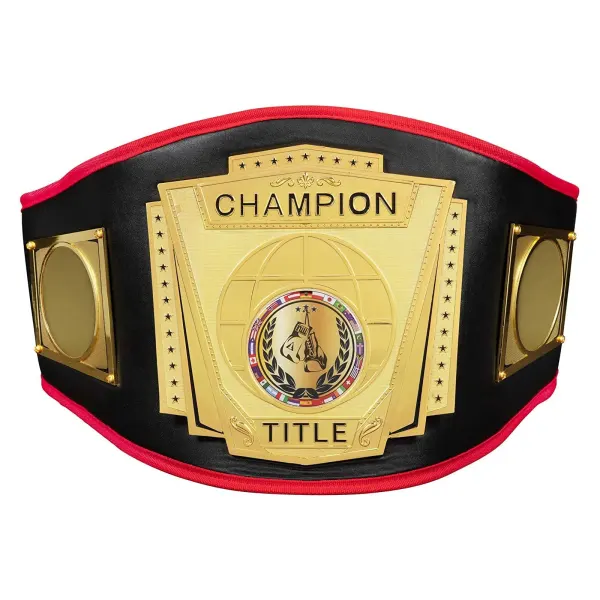
Introduction To Heavyweight boxing belt history
The heavyweight boxing belt history is one of the most fascinating stories in combat sports. Imagine organizing your office or apartment in a busy place like Dubai Marina or Jumeirah. Everything has its place, everything shines, and nothing feels cluttered. The world of boxing titles evolved in a similar way. Early boxing had no clear structure—no polished championship belts, no official recognition, and no unified prestige.
But over time, boxing promoters, fighters, and organizations created a system that was as organized as a perfectly managed high-rise building in Dubai. The heavyweight championship belt became the ultimate symbol of victory, power, and legacy.
Today, the heavyweight boxing belt history reflects more than just sports—it represents craftsmanship, global recognition, and the pride of champions. Whether you’re a boxing enthusiast, a collector, or even a business owner looking for custom championship belts in the UAE, understanding the origins of these belts reveals how a simple award turned into an international symbol of achievement.
Let’s explore the fascinating journey of heavyweight championship belts—from bare-knuckle beginnings to modern gold masterpieces admired around the world.

1. The Early Days of Boxing Championships
Before official belts existed, boxing champions were recognized through reputation alone. Fighters in the 18th and 19th centuries often competed in bare-knuckle matches, and the winner simply gained recognition as the strongest fighter.
There were no formal awards or trophies. Victory meant fame and sometimes prize money.
Back then, the sport was messy and unregulated—much like trying to manage clutter in a crowded warehouse. Eventually, promoters realized the sport needed structure.
This led to the first official symbols of championship status.
2. The First Championship Belts in Boxing
The first boxing championship belts appeared in the late 1800s. Promoters introduced belts as a tangible reward for champions.
One of the earliest examples was the Lonsdale Belt, introduced in Britain in 1909. It was a beautifully crafted belt made of leather and decorated with gold.
The idea quickly caught on.
Why?
Because a belt was visible, symbolic, and memorable. Just like a luxury watch or a prestigious award, it gave champions something they could proudly display.
3. The Birth of the Heavyweight Championship Belt
Among all boxing divisions, heavyweight boxing has always held a special place.
The heavyweight champion is often considered the most powerful fighter in the world.
The first widely recognized heavyweight champion was John L. Sullivan, who dominated the sport in the late 1800s. However, official belts became more standardized in the early 20th century.
Over time, organizations began awarding belts to recognize champions officially.
These belts became symbols of global recognition.
4. Iconic Champions Who Defined the Belt
Some fighters did more than win the belt—they defined it.
Muhammad Ali
Ali turned the heavyweight championship into a global spectacle. His charisma and dominance made the belt more famous than ever.
Mike Tyson
Tyson’s explosive power in the 1980s brought massive attention to the heavyweight division.
Lennox Lewis
Lewis unified multiple titles, reinforcing the belt’s prestige.
Each champion added a new chapter to the heavyweight boxing belt history.
5. The Role of Boxing Organizations
As boxing grew internationally, governing bodies were established to regulate championships.
Major organizations include:
- WBA (World Boxing Association)
- WBC (World Boxing Council)
- IBF (International Boxing Federation)
- WBO (World Boxing Organization)
Each organization awards its own championship belt.
While this sometimes creates multiple champions, it also expands the prestige and competition within the sport.
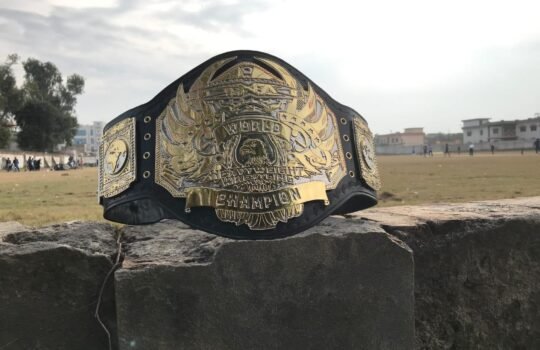
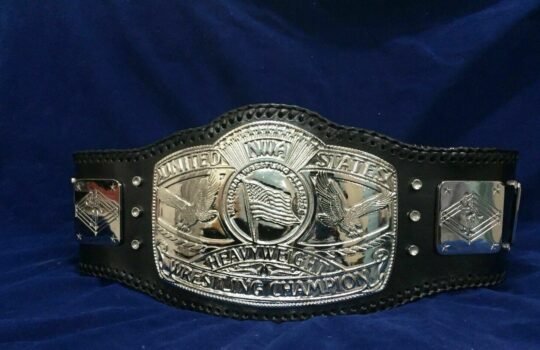
6. Evolution of Belt Design and Materials
Championship belts have changed dramatically over time.
Early belts were simple leather straps with small metal plates.
Modern belts, however, feature:
- Gold-plated plates
- Detailed engravings
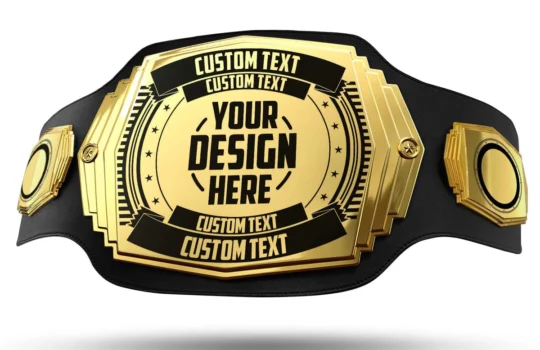
- Custom logos
- High-quality leather
Some belts can weigh up to 10 pounds.
Just like luxury interior design in Dubai skyscrapers, belt designs have become more sophisticated and impressive over time.
7. Craftsmanship Behind Modern Championship Belts
Creating a championship belt is a detailed process.
Step 1: Concept and Design
Designers sketch the belt layout and determine plate shapes and symbols.
Step 2: Metal Casting
Plates are crafted using brass or zinc alloy before being gold plated.
Step 3: Leather Work
Premium leather is cut and stitched to hold the metal plates.
Step 4: Assembly
All components are carefully assembled and polished.
The final product becomes a masterpiece worthy of the world’s greatest fighters.
8. The Global Appeal of Heavyweight Championship Belts
Boxing fans across the world admire championship belts.
Collectors purchase replicas. Gyms display them proudly.
Even businesses sometimes use custom belts for competitions or corporate events.
In places like Dubai, where luxury and prestige matter, custom championship belts are becoming popular for:
- Corporate awards
- Sports tournaments
- Fantasy leagues
They symbolize achievement in a bold and memorable way.
9. Custom Championship Belts in Dubai
Dubai has become a hub for premium custom products.
Many businesses in areas like Dubai Marina and Business Bay now order custom championship belts for events.
Why?
Because they are unique and visually impressive.
Imagine hosting a corporate tournament where the winner receives a championship belt instead of a traditional trophy. It creates excitement and branding opportunities.
However, local regulations—such as Dubai Municipality manufacturing and import guidelines—must be followed when importing or producing metal products.
10. Costs and Value of Championship Belts
The cost of a championship belt varies depending on materials and design.
Typical ranges include:
- Basic custom belts: $150–$400
- Premium replica belts: $500–$1,500
- Official championship belts: Priceless historical value
Collectors often pay thousands for authentic belts connected to famous fights.
For businesses, custom belts can be a powerful marketing investment.
11. Eco-Friendly Manufacturing Trends
Modern manufacturing is becoming more sustainable.
Some belt makers now focus on:
- Recycled metals
- Eco-friendly leather alternatives
- Low-waste production methods
This is particularly important in environmentally conscious cities like Dubai, where sustainability initiatives are supported by the government.
Eco-friendly belts help reduce environmental impact while maintaining high quality.
12. Why the Heavyweight Boxing Belt History Still Matters Today
The heavyweight championship belt remains one of the most respected awards in sports.
It represents:
- Strength
- Discipline
- Legacy
Just like keeping your workspace organized helps productivity, structured championship systems help maintain fairness and prestige in sports.
Without these belts, boxing would feel incomplete.
They are more than awards—they are symbols of greatness.

Conclusion
The heavyweight boxing belt history shows how boxing evolved from simple recognition to prestigious championship belts admired worldwide.
What started as informal recognition eventually became one of the most iconic symbols in sports. From early bare-knuckle champions to modern global superstars, the heavyweight belt has represented the pinnacle of boxing achievement.
Today, these belts are admired not only by fighters but also by collectors, businesses, and sports fans around the world—including those in Dubai.
Whether displayed in a gym, awarded in a corporate competition, or worn by a world champion, the heavyweight championship belt continues to inspire greatness.
FAQs
1. What is the origin of the heavyweight championship belt?
The heavyweight championship belt originated in the late 19th century when boxing promoters began awarding belts to champions as a symbol of their victory and status.
2. Why is the heavyweight belt considered the most prestigious?
The heavyweight division historically represents the strongest fighters in boxing. Because of this, the champion is often seen as the top fighter in the sport.
3. How much does a professional boxing championship belt cost?
Professional belts used by major boxing organizations can cost several thousand dollars due to gold plating, craftsmanship, and custom design.
4. Can businesses in Dubai create custom championship belts?
Yes. Many companies in Dubai order custom championship belts for corporate events, competitions, and promotional campaigns. However, they must follow local manufacturing or import guidelines.
5. Are championship belts eco-friendly today?
Some modern manufacturers are adopting eco-friendly practices such as recycled metals and sustainable materials to reduce environmental impact.